
How AI and IoT are transforming Fire Alarm Systems
Fire alarm systems are essential for protecting lives and properties from fire hazards. However, traditional fire alarm systems have some limitations, such as false alarms, delayed response, and lack of situational awareness. Fortunately, new technologies such as artificial intelligence (AI) and internet of things (IoT) are transforming fire alarm systems and making them smarter, faster, and more reliable.
AI is the ability of machines to perform tasks that normally require human intelligence, such as learning, reasoning, and decision making. AI can enhance fire alarm systems by enabling them to:
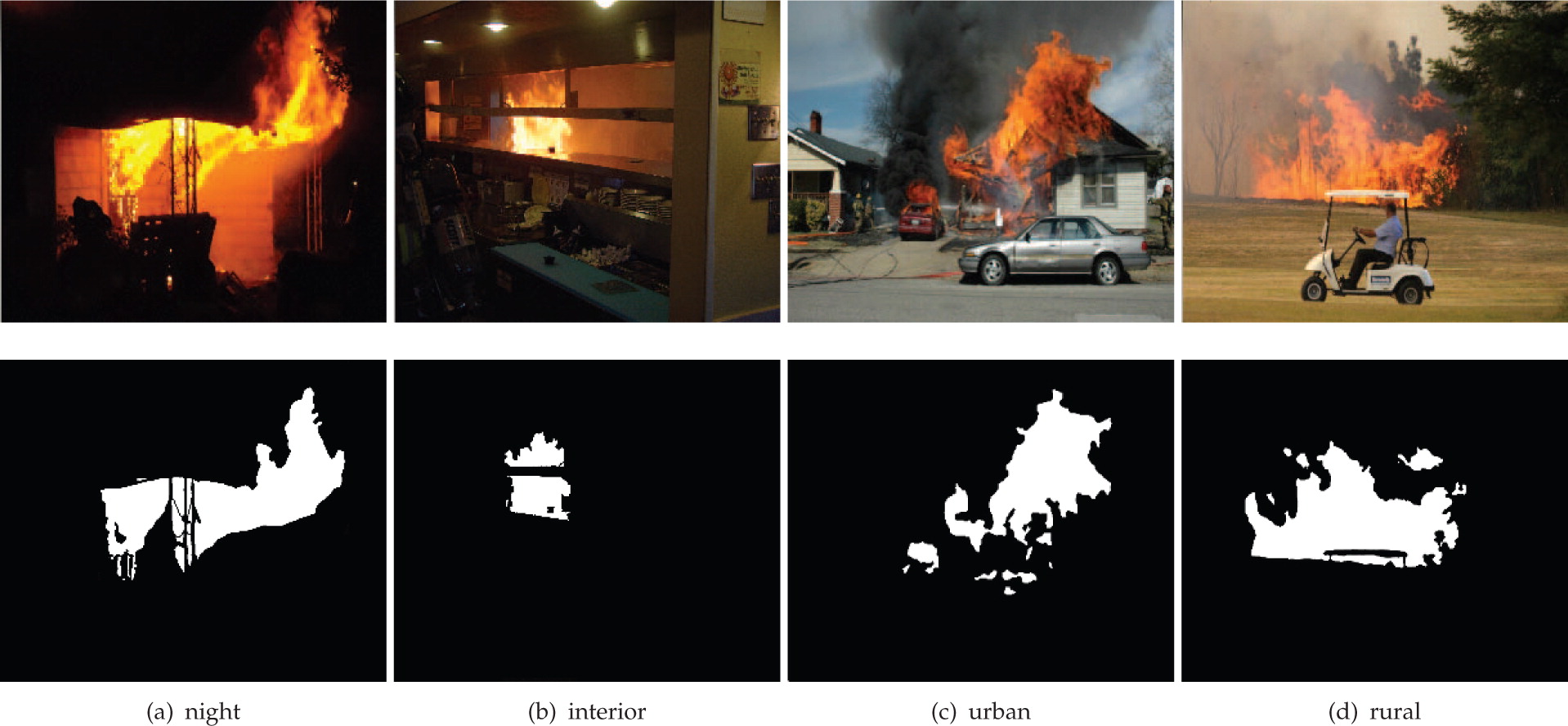
– Detect and classify different types of fire and smoke, such as electrical, chemical, or cooking, using advanced image and sound analysis.
– Reduce false alarms by filtering out irrelevant or benign signals, such as steam, dust, or noise.
– Predict and prevent fire incidents by analyzing historical data, environmental factors, and behavioral patterns.
– Optimize fire response by providing real-time information, guidance, and recommendations to the occupants, firefighters, and authorities.
IoT is the network of physical objects that are embedded with sensors, software, and connectivity that enable them to exchange data with other devices and systems. IoT can enhance fire alarm systems by enabling them to:
– Monitor and control various devices and components of the fire alarm system remotely and wirelessly, such as detectors, panels, sirens, sprinklers, and extinguishers.
– Integrate and communicate with other smart devices and systems in the building or the city, such as security cameras, lighting systems, HVAC systems, or traffic management systems.
– Collect and transmit large amounts of data to the cloud or the edge for storage, processing, and analysis.
– Adapt and update themselves automatically based on the feedback and the changing conditions.
By combining AI and IoT, fire alarm systems can become more intelligent, responsive, and proactive. They can not only detect and alert fire incidents but also prevent and mitigate them. They can also provide valuable insights and learnings for improving fire safety and security. These technologies can help save lives, properties, and resources in the event of a fire emergency.